
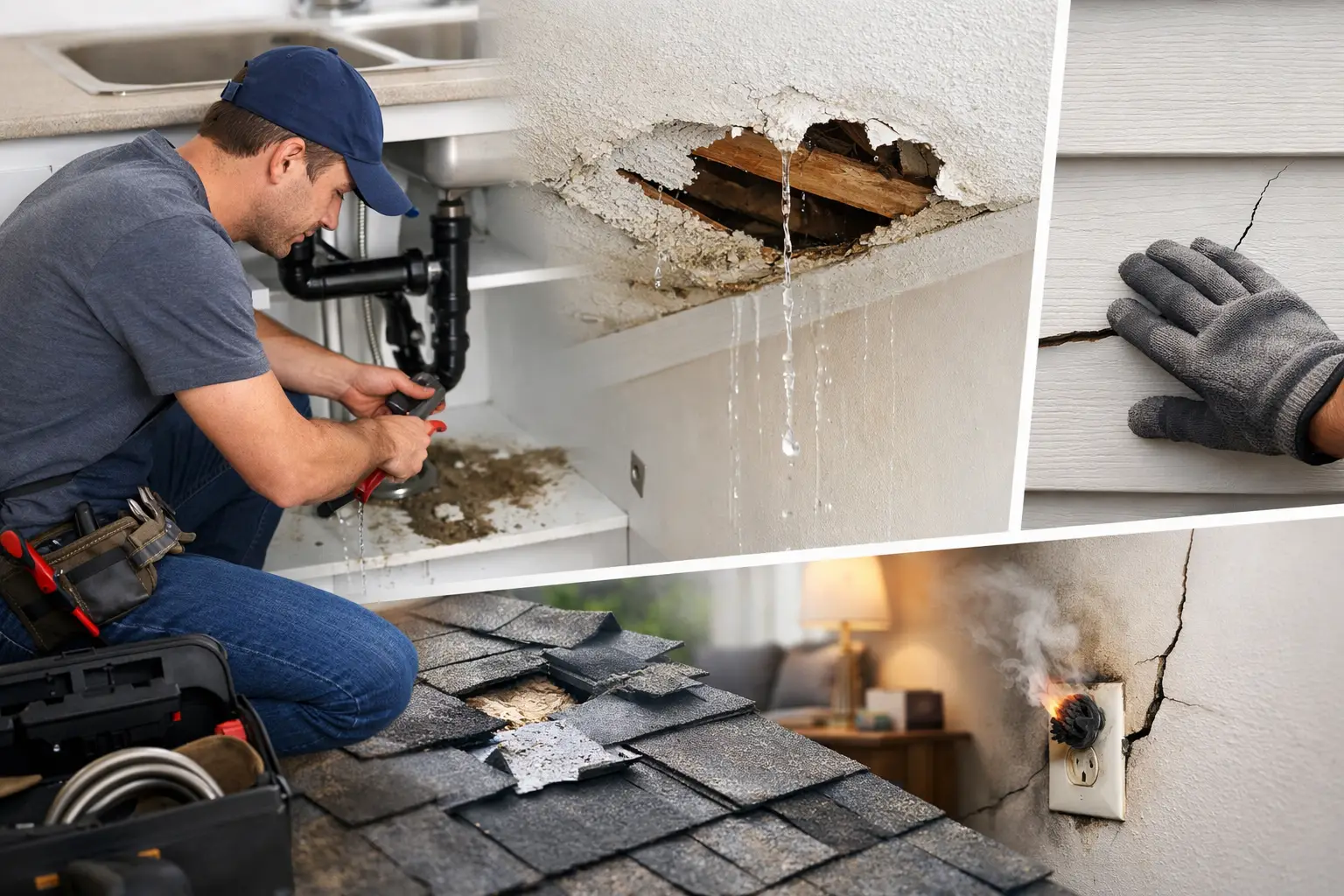
A leaking pipe at 7 a.m. or a dead outlet before opening your shop is not a “weekend project.” Surrey urgent home repairs usually start the same way – something small turns into a disruption fast, and now you need a clear next step, not a long explanation. The priority is simple: stop damage, protect safety, and get the right fix in motion.
That sounds obvious until you are standing in water, smelling something burnt, or trying to decide whether a cracked window, broken lock, or failing appliance can wait until tomorrow. Not every repair is equally urgent, and not every urgent issue needs the same kind of response. The fastest way to save time and money is to sort the problem correctly at the start.
How to judge Surrey urgent home repairs fast
A repair is urgent when waiting creates one of three problems: a safety risk, active property damage, or loss of a critical function. Safety comes first. If there is exposed wiring, a gas smell, sparks, smoke, unstable steps, a broken exterior door that will not secure, or water near electrical points, treat it as immediate.
Property damage is the next category. A small roof leak during dry weather may be manageable for a short time. That same leak during heavy rain can damage insulation, drywall, flooring, and even electrical systems within hours. The same logic applies to plumbing. A slow drip under a sink is one thing. A supply line failure behind a wall is another.
Critical-function failures matter because they stop normal living or business use. No hot water, a toilet that will not flush in a one-bathroom home, a fridge failure with a full load of food, or a jammed entry door can move from inconvenient to urgent quickly. For small business operators, the threshold is even lower. If a repair blocks staff access, customer use, sanitation, or security, delay costs more than the repair itself.
What to fix first when time matters
If more than one issue is happening at once, start with anything that can injure someone or spread damage. Water intrusion, electrical faults, and security failures usually outrank cosmetic or comfort issues.
Water leaks and plumbing failures
Water is often the most expensive problem because it travels. It gets into subfloors, cabinets, drywall, and adjacent rooms before the visible stain tells the full story. Shut off the nearest valve if you can. If that does not stop the flow, shut off the main water supply. Move rugs, paper goods, electronics, and anything absorbent out of the area.
The trade-off here is speed versus diagnosis. Some leaks are obvious, like a burst hose under a sink. Others are hidden behind walls or under flooring. In those cases, the goal is not to start opening everything up yourself. The goal is to contain the damage and get a proper assessment before moisture becomes mold, warping, or structural deterioration.
Electrical issues
Flickering lights are not always an emergency. A burning smell, hot outlets, tripped breakers that keep tripping, buzzing from a panel, or loss of power to essential areas is different. Turn off power to the affected circuit if it is safe to do so. Do not keep resetting a breaker to “see if it holds.” If it keeps failing, it is signaling a problem.
This is one of the clearest it-depends categories. A single dead outlet may be isolated. But if the outage affects kitchen equipment, refrigeration, office devices, or anything tied to safety and access, the urgency goes up. Temporary workarounds can also create new hazards, especially when extension cords start replacing fixed power.
Doors, locks, and access points
A front door that will not latch, a broken lock, or a garage entry problem may not look as dramatic as a leak, but it becomes urgent when the property cannot be secured. That matters for homeowners, renters, and especially anyone operating from a small commercial unit or home office with inventory or equipment inside.
If the frame is split or the hardware has pulled loose, forcing it closed is usually not a real fix. It may hold for an hour and fail later. The practical move is temporary stabilization, then proper repair or replacement of the damaged part.
Heating, cooling, and ventilation failures
These issues depend on season, occupancy, and who is in the space. No heat during cold weather is urgent. Poor ventilation in a bathroom is not usually urgent overnight, but a failed vent in a damp area can contribute to moisture problems if ignored. Air conditioning in peak summer may be urgent for some households, especially with young children, older adults, or heat-sensitive conditions.
The key is not to overreact to discomfort and underreact to risk. If the failure affects health, indoor air quality, or basic livability, move it up the list.
What can usually wait a little
Some repairs feel urgent because they are disruptive, but they do not always require same-day action. A dripping faucet, a torn screen, minor drywall dents, a loose cabinet handle, or a sticking interior door can often wait if there is no safety issue or active damage.
That said, “can wait” does not mean “ignore it.” Small repairs have a habit of becoming expensive because people delay until the secondary damage starts. A cracked tile becomes water intrusion. A loose handrail becomes a fall risk. A wobbling toilet becomes a floor problem. Good triage is about buying the right amount of time, not pretending the issue disappeared.
The biggest mistake in urgent repairs
The most common mistake is trying to save time by skipping the containment step. People often focus on the repair before they stop the spread. They mop the floor but do not shut off the supply. They cover a ceiling stain but do not find the source. They jam a breaker back on without checking what caused it to trip.
Fast action works best when it follows order. First make the area safe. Then stop ongoing damage. Then document what happened if insurance or landlord communication may matter. After that, get the repair moving.
This is where a practical service helps. If you are juggling work, family, tenants, or customers, coordination can be harder than the repair itself. One dependable response is often more valuable than calling three different people and waiting for callbacks. That is part of why homeowners and business operators across Metro Vancouver look for straightforward help rather than a drawn-out process.
How to prepare before the next urgent repair
Most urgent repair stress comes from not knowing where the shutoffs are or what counts as serious. A few minutes of preparation saves a lot of scrambling later. Know where your main water valve, electrical panel, and any unit-specific shutoffs are located. Test exterior doors and locks before they fail. Check under sinks and around appliances for early signs of leaks, swelling, or corrosion.
It also helps to be realistic about your own limit. If a repair involves electricity, structural stability, unknown water sources, or anything that affects building security, this is not the moment for guesswork. There is a difference between being hands-on and making the situation harder to fix.
For renters and property managers
Urgency gets more complicated when responsibility is split. Renters still need to act fast to limit damage, even if the final repair belongs to the landlord or manager. Shut off water if possible, report the issue right away, and keep records of the time, symptoms, and any temporary steps taken.
Property managers and landlords have a different pressure point: delay multiplies complaints and costs. A slow response to a small leak or broken lock often becomes a larger repair plus tenant frustration. In urgent situations, speed is part of the repair itself.
When fast service is the smart choice
Not every repair needs a specialist on day one, but many urgent situations do need immediate hands-on help. If the issue affects safety, access, water, power, or secure use of the property, a quick response is usually the cheapest path overall. Waiting often adds cleanup, replacement costs, or lost time that far exceeds the original fix.
For busy households and small businesses in Surrey, the value is not just getting something repaired. It is getting a problem contained before it spreads into your schedule, your budget, and the rest of your week. That is the practical standard a service like QuickHand is built around.
If something in your home suddenly stops being safe, secure, or usable, trust the order: protect people first, stop the damage second, and get the repair handled before “minor” turns into expensive.