
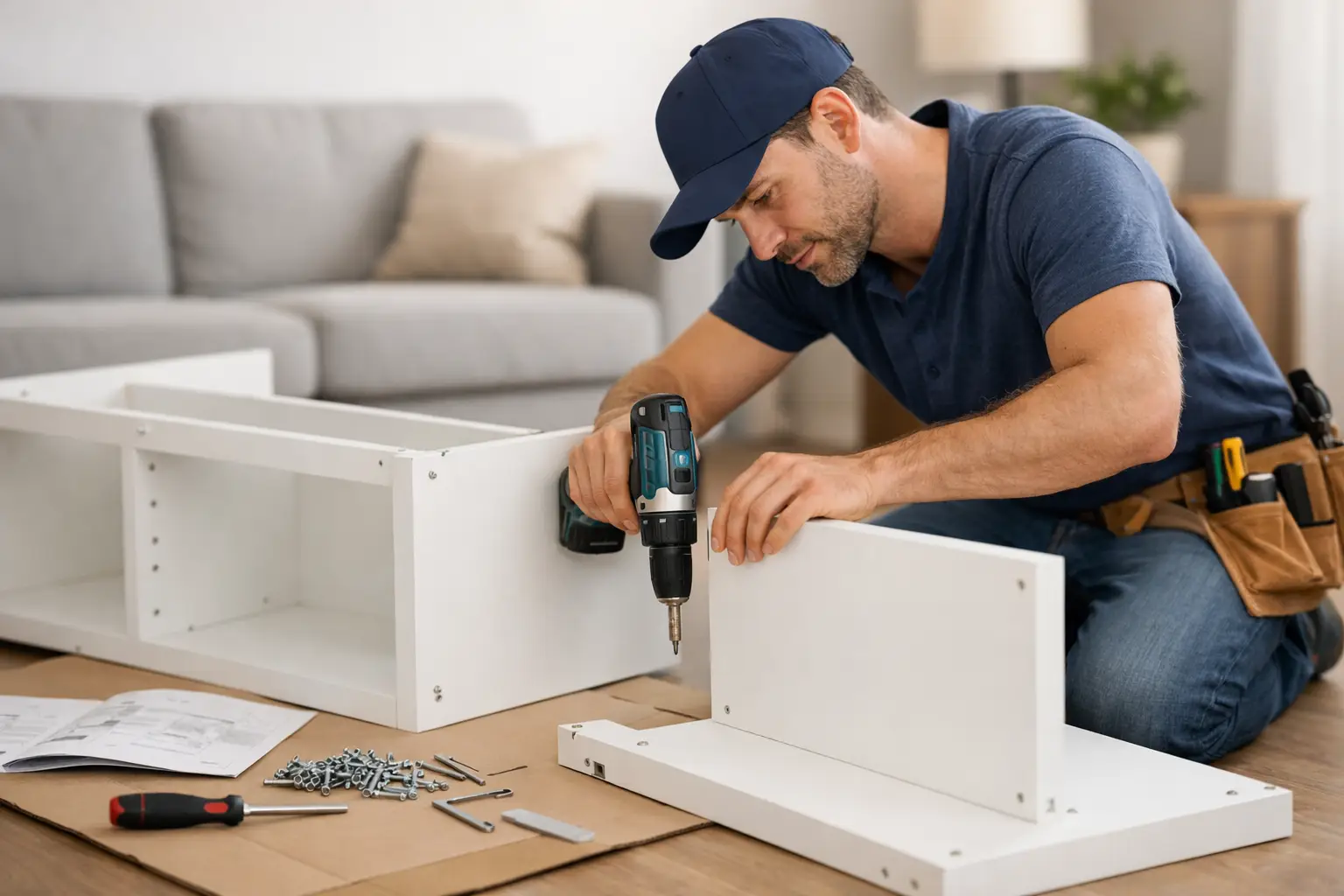
A flat-packed dresser can take up an entire evening, and that is before you discover a missing screw or realize the instructions show three nearly identical panels. So, can handyman assemble furniture? In most cases, yes. Furniture assembly is a common handyman task, especially when the job calls for practical experience, the right tools, and a careful eye for stability.
For busy homeowners, renters, office managers, and small business operators, hiring help is often less about avoiding the work and more about avoiding delays. A capable handyman can turn unopened boxes into usable furniture without taking over your weekend or holding up a move, office setup, or tenant turnover.
Can a Handyman Assemble Furniture Safely?
A handyman can usually assemble most ready-to-assemble furniture, including beds, dressers, desks, bookcases, dining tables, shelving units, TV stands, cabinets, and office furniture. The exact scope depends on the professional’s experience, the furniture brand, the number of pieces, and whether the item also needs to be mounted, anchored, moved, or adjusted.
Assembly is not just about following pictures. It involves sorting hardware, identifying parts that look similar, leveling pieces on uneven floors, tightening fasteners correctly, and checking that drawers, doors, and moving parts work as intended. Poor assembly can leave a wardrobe unstable, a desk wobbly, or a bed frame noisy and loose after a few weeks.
The right handyman will work methodically, use appropriate hand and power tools, and test the finished piece before leaving. For tall or top-heavy furniture, they should also discuss wall anchoring. This matters in homes with children or pets, as well as busy workplaces where furniture gets frequent use.
Jobs That Are Usually a Good Fit
Standard boxed furniture is usually straightforward for an experienced handyman. This includes a single item or a room full of pieces after a move. Common requests include assembling a new bed and nightstands, setting up a home office, building garage shelving, or preparing desks and chairs for a small business.
Office and retail setups can be especially useful cases for professional help. If a new desk shipment arrives during a busy week, staff should not have to spend hours decoding instructions and searching for tools. A handyman can assemble the furniture, place it where it belongs, and help keep the setup moving.
Some jobs take more planning. Large modular closets, wall-mounted storage, kitchen cabinetry, Murphy beds, and heavy commercial shelving may require specialized installation skills or additional labor. If electrical work, plumbing changes, gas connections, or structural modifications are involved, those portions should be handled by appropriately qualified professionals.
There is also a practical limit based on size and weight. A single handyman may assemble a large piece but need another person to lift it safely, carry it upstairs, or position it in a tight room. Asking about this before booking prevents a frustrating day-of surprise.
When Hiring Help Makes Sense
Furniture assembly is worth outsourcing when time, complexity, or risk is higher than usual. A basic side table may be manageable on your own. A multi-box wardrobe with sliding doors, several drawer units, and wall anchoring is a different job.
Hiring a handyman is often the practical choice when you are moving on a deadline, furnishing a rental between tenants, setting up a nursery, or opening a new workspace. It also helps when the furniture needs to be ready for use quickly rather than sitting in boxes for a week.
The value is not limited to assembly time. You also avoid buying tools you may use once, making avoidable mistakes, damaging a panel while forcing it into place, or taking the entire item apart after installing a part backward. An experienced person has seen the common failure points and knows when to stop and check the instructions instead of pushing ahead.
For Metro Vancouver customers, this can be particularly helpful in condos, apartments, and offices where elevators, parking windows, delivery timing, and limited space make every setup task more complicated. QuickHand is built for this kind of practical, time-sensitive support: get the task handled, keep the day moving.
What to Share Before You Book
Clear details help a handyman arrive prepared and give you a more accurate estimate. You do not need a long explanation. The furniture brand and model, the number of boxes, and a few photos are often enough to establish the likely scope.
Mention whether the item is already inside the room where it will be assembled. A boxed sofa bed in a lobby is different from a sofa bed on the third floor of a walk-up. It is also useful to say if there are narrow hallways, stairs, elevator reservations, limited parking, or building rules that affect access.
Be specific about add-on tasks. Assembly may be only one part of the job. You might also need furniture moved into position, packaging broken down, a TV stand leveled, a bookcase anchored, or old furniture taken apart. These details affect the time, tools, and help required.
If wall anchoring is requested, identify the wall type if you know it. Drywall, concrete, brick, and metal studs need different hardware and approaches. A professional should not guess when safety is involved.
How to Prepare for a Faster Assembly Visit
A little preparation keeps the job focused. Clear enough floor space to lay out parts and hardware, and make sure all boxes have arrived before the appointment. Keep the instruction manuals available, even if the handyman is familiar with the brand. Model variations can matter.
Check the boxes for visible shipping damage before assembly begins. If a panel is cracked, a tabletop is warped, or hardware is missing, document it early. Building a damaged item can make a return or replacement harder.
Decide where each piece will go before it is assembled. Large wardrobes, desks, and beds are often difficult to move through doorways once complete. If a room is still being painted, carpeted, or cleaned, schedule assembly after that work whenever possible.
For office furniture, make a simple placement plan. Knowing which desk belongs to which employee or which shelf goes in which storage area prevents unnecessary rearranging after everything is built.
Questions Worth Asking a Handyman
You do not need to interview someone for an hour, but a few direct questions can prevent mismatched expectations. Ask whether they have assembled similar furniture, whether they bring standard tools, and whether the job needs a second person for lifting. Confirm what is included in the visit, especially if you need wall anchoring, placement, packaging removal, or disassembly of existing furniture.
It is also reasonable to ask how they handle missing parts or damaged components. A good answer is practical: they will identify the issue, avoid forcing the assembly, and explain the next best step. They should not promise to make a damaged or incomplete item work when doing so could make it unsafe.
Pricing can vary by item, complexity, and time required. A clear description upfront is the best way to avoid assumptions. The lowest quote is not always the best value if the provider has not accounted for the number of boxes, heavy lifting, or mounting work.
Assembly Is Finished Only When the Furniture Works
A completed piece should be more than upright. Drawers should slide, doors should align, legs should sit level, and fasteners should be secure without being over-tightened. Tall furniture should be anchored when appropriate, and the work area should be left usable rather than covered in cardboard and loose hardware.
That final check is where professional assembly earns its keep. Whether it is one desk for a home office or an entire room of furniture after a move, the goal is simple: your furniture should be ready to use, stable, and out of the way of everything else you need to do.