
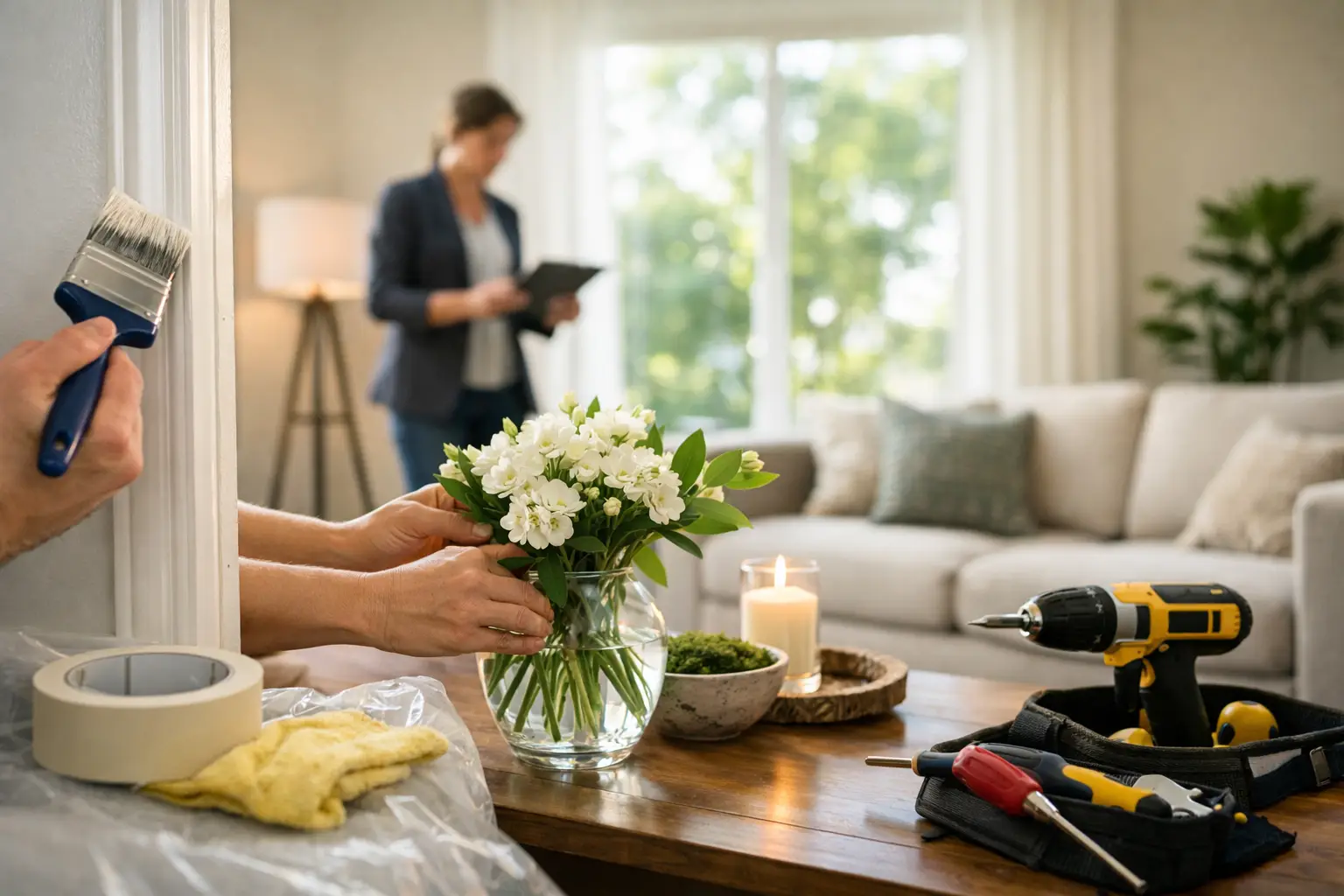
A buyer can decide how they feel about a home in the first 30 seconds. Not after the tour. Not after the photos. Right when they step up to the door, catch a smell in the entry, or notice a burned-out lightbulb in the hallway. That is why quick fixes before home showing matter – they help remove the small distractions that make people hesitate.
The goal is not to make your home perfect. The goal is to make it feel cared for, easy to imagine living in, and ready for a closer look. If you are short on time, focus on the fixes that change what buyers notice first: light, smell, clutter, and anything that looks broken.
Why quick fixes before home showing matter
Most buyers are not walking through your home with a contractor’s eye. They are reacting emotionally, then backing that reaction up with logic. If the place feels dark, crowded, dirty, or neglected, they start adding mental costs before they even think about the layout.
Small issues create bigger questions. A loose cabinet handle can make someone wonder what else has not been maintained. A scuffed front door can pull attention away from a nice entryway. On the other hand, a clean, bright, orderly home often feels more valuable even when nothing major has changed.
This is where quick prep pays off. You are not renovating. You are reducing friction.
Start at the front door
Curb appeal does not have to mean landscaping work or a weekend project. Before a showing, walk outside and look at the home like a stranger would. Sweep the walkway, clear leaves, move bins out of sight, and shake out or replace a tired doormat. If the front door is dirty, wipe it down. If the hardware looks dull, clean it. If the porch light is out, replace the bulb.
These are small jobs, but they set the tone. A tidy entrance tells buyers the home has been looked after. If there is time for one extra step, add something simple that feels fresh, like a neatly placed planter or a clean outdoor mat. Keep it minimal. Too much personality at the door can feel forced.
Fix what looks broken first
Cosmetic flaws are not always deal breakers, but visible neglect can be. The fastest way to improve a home’s showing condition is to handle the little repairs buyers will notice immediately.
Think in terms of what catches the eye or interrupts use. Tighten loose knobs, reattach doorstops, patch obvious wall dings, touch up chipped paint, and stop that faucet from dripping if it is an easy fix. Make sure interior doors close properly. If a closet door sticks, buyers will try it anyway. If a toilet runs, they will hear it.
There is a trade-off here. Not every repair is worth doing right before a showing. If a fix requires opening a bigger project, skip it and focus on presentation. A half-finished repair is worse than a minor flaw that is clean and contained.
Light changes everything
Dark rooms feel smaller, older, and less inviting. One of the best quick fixes before home showing is simply making the home brighter.
Open blinds and curtains, but only if the view or natural light helps the room. In spaces that face a wall or a neighboring home, harsh open-window exposure can sometimes make the room feel less private. Use judgment. The main point is to let in as much flattering light as possible.
Then turn on the lights. All of them. Replace bulbs that are out, and if your fixtures have mixed bulb temperatures, swap them so the light feels consistent. A cool white bulb in one lamp and a yellow bulb in the ceiling fixture makes a room feel accidental. Warm, even light usually reads best in living spaces.
Deal with smell before anything else
People notice smell faster than staging. If there is one issue that can override everything else, it is odor.
Skip heavy air fresheners. Buyers often read strong scent as an attempt to hide something. Instead, remove the source. Take out trash, empty recycling, clean pet areas, wipe drains, and air out the home if weather allows. Wash kitchen towels, bathroom mats, and any soft surfaces holding onto food or pet smells.
If you cook often, be especially careful with lingering grease or spice odors. If you have pets, vacuum upholstered furniture, not just floors. A home can look spotless and still smell lived in. For showings, neutral wins.
Clear surfaces, not just clutter
General decluttering is useful, but visible surfaces have the biggest impact in the shortest amount of time. Kitchen counters, bathroom vanities, entry tables, and nightstands should feel open. Buyers read clear space as storage, calm, and cleanliness.
You do not need to strip every room down to nothing. That can make a home feel sterile. Leave a few intentional items in place, but remove the extras. In the kitchen, store the toaster, dish rack, mail pile, and half-used cleaning products. In bathrooms, keep only the basics out, such as fresh hand soap and a clean towel.
If time is tight, use a basket method. Gather loose everyday items into a bin and put it in the trunk of your car or a closet that will stay closed. It is not a long-term organizing system, but it works for a showing.
Clean the right things
Deep cleaning the entire house may not be realistic before every showing. Prioritize what buyers will see up close and what reflects light.
Focus on floors, mirrors, glass, faucets, sinks, and appliance fronts. Wipe fingerprints off stainless steel. Clean smudges from glass doors and windows at eye level. Vacuum edges of rooms, not just the middle. In bathrooms, make sure grout, fixtures, and toilet bases look fresh. In the kitchen, the sink matters more than people think. A clean sink suggests the whole room is under control.
There is also a visual shortcut here: shine sells. Clean reflective surfaces make a home feel newer, even if nothing is brand new.
Make each room easy to read
A showing should not make buyers work to understand a room. If a spare room is half office, half storage, and half gym, it creates confusion. Pick one purpose and stage toward it.
That does not mean buying furniture. It means removing enough distraction that the room makes sense at a glance. Put away extra chairs, move stacked boxes, and create open walking paths. In bedrooms, make the bed properly. In living rooms, straighten pillows and center the furniture around conversation or the main feature.
The same rule applies to laundry rooms, mudrooms, and finished basements. Buyers do not need perfection. They need clarity.
Bathrooms need five extra minutes
Bathrooms are small, but buyers inspect them closely. That makes them high-return spaces for last-minute effort.
Put the toilet lid down. Hide personal products. Replace damp towels with fresh ones. Wipe the mirror, polish the faucet, and make sure the floor is dry and clean. If the shower has visible bottles, razors, or kids’ bath toys, put them away before the showing.
A bathroom that looks clean feels maintained. A bathroom that looks busy feels shared, and that makes it harder for buyers to picture it as theirs.
Kitchens should feel open and usable
The kitchen carries a lot of emotional weight in a showing. People imagine routines there almost immediately. If it feels cramped or messy, they notice.
Clear the sink, hide dishes, and wipe the counters. Remove magnets, notes, and heavy decor from the fridge. If you have only a few minutes, put away anything that suggests unfinished chores. That includes drying racks, grocery bags, and cleaning sprays.
Fruit in a bowl can work. Ten things on the island do not. Buyers want to see prep space, not your weekday life.
Think about the showing route
Before people arrive, walk the path they are most likely to take through the home. Open the doors they will open. Look down hallways. Stand in the corners of the main rooms.
This is where missed details show up. Maybe a pile of shoes by the door still needs to go. Maybe the hallway art is crooked. Maybe the linen closet is packed so full that it will spring open when someone checks it. A quick route check catches the practical issues that photos do not.
For busy sellers in Metro Vancouver, this is often the difference between a rushed cleanup and a showing-ready home. If you need hands-on help with the small jobs that keep getting delayed, a service like QuickHand can take care of those practical fixes fast so you are not trying to do everything an hour before people arrive.
What to skip when time is short
Do not spend your last hour on projects that buyers may never notice. Reorganizing a garage, repainting an entire room, or starting yard work you cannot finish usually has less impact than cleaning the kitchen, brightening the living room, and fixing the front entry.
Also skip anything too personal or trendy. Strong scents, bold decor swaps, and over-staging can backfire. Buyers respond better to clean, functional, and neutral than to a rushed attempt at style.
A good rule is simple: if a task improves first impression, comfort, or perceived care, it is probably worth doing. If it adds stress without changing what buyers notice, leave it.
The best showing prep is not dramatic. It is controlled. A clean entry, good light, quiet repairs, and clear surfaces can change how a home feels in less time than most sellers expect. When buyers are not distracted by minor issues, they pay attention to the space itself – and that is where a showing starts working in your favor.