
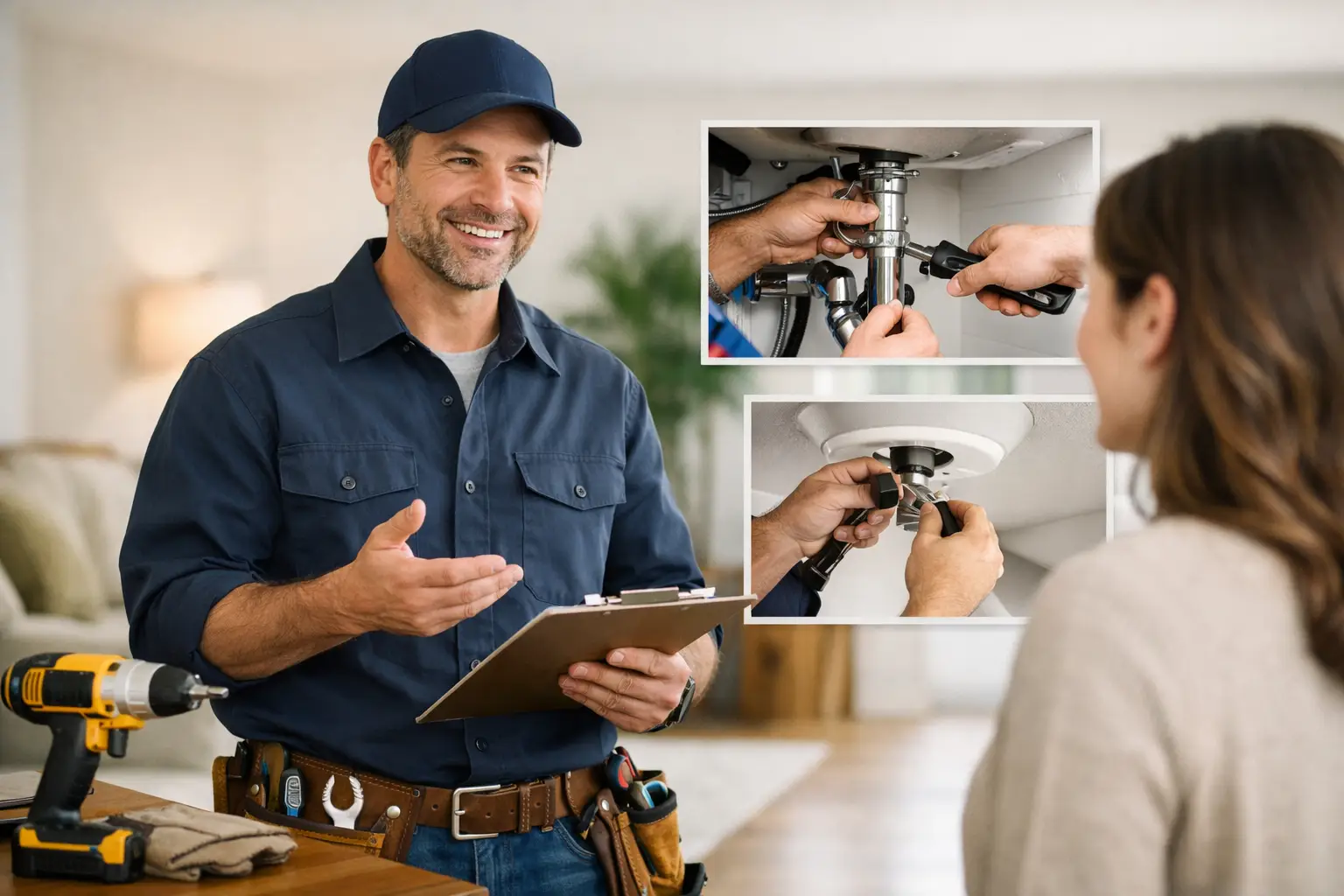
You usually do not look up a local handyman service review for fun. You look because a shelf is loose, a door will not latch, a tenant move-in is tomorrow, or your to-do list has turned into a maintenance backlog. At that point, you do not need vague promises. You need a clear way to judge whether a handyman will show up, work efficiently, and leave the job done right.
That is what a useful review should help you answer. Not whether a company sounds nice. Whether they are dependable when the job is real, the timing matters, and the details can cost you extra if they are missed.
What a local handyman service review should actually tell you
A strong review is less about hype and more about friction. Did the customer get a fast response? Was the scope understood early? Did the handyman arrive on time, bring the right tools, and finish without turning a simple task into a two-week process?
That matters because handyman work often sits in the middle ground between DIY and a specialized trade. You may be hiring someone to patch drywall, install curtain rods, repair trim, mount a TV, swap hardware, fix a fence gate, or handle a list of small issues in one visit. These are practical jobs, but they still need judgment, care, and basic project control.
A review worth trusting should give you clues about all three. Speed without quality creates callbacks. Quality without responsiveness slows everything down. Fair pricing means little if the scope was poorly explained and the final bill becomes a surprise.
The four things people care about most
1. Response time
For busy homeowners and small business operators, the first test is simple. How long did it take to get a reply, a quote, or a booking window? If the customer had to chase basic information for days, that is not a small issue. It often predicts what the rest of the job will feel like.
Fast response does not always mean same-day service, and that is fine. What matters is clear communication. A good provider says what they can do, when they can do it, and what they need from you to move forward.
2. Work quality
This is where review language gets fuzzy, so read carefully. “Great job” is not enough on its own. Better reviews mention specifics. The cabinet was aligned properly. The drywall patch blended well. The door closed cleanly after adjustment. The installer protected the area and cleaned up afterward.
Specific details are more useful than enthusiastic adjectives because they show the customer noticed the actual result. They also help you compare the review to your own job.
3. Pricing clarity
Most customers do not expect every handyman job to come with a perfect fixed price from the start. Small repair work can change once someone sees the issue in person. What people do expect is clarity.
A good review will often mention whether pricing was explained upfront, whether extra work was approved before it was done, and whether the invoice matched the conversation. That is especially important for jobs that seem minor but can expand quickly, like rot repair, caulking replacement, or fixture installation in older spaces.
4. Professionalism on site
This is the part many reviews understate. The actual experience of having someone in your home, rental unit, or workplace matters. Did they respect the space? Did they communicate if they were running late? Did they work through the list efficiently instead of dragging out simple tasks?
For commercial clients, this matters even more. A slow, disorganized visit can interrupt staff and customers. A practical handyman should reduce disruption, not add to it.
How to read reviews without getting misled
Not every bad review is a deal breaker, and not every five-star review means much. Context matters.
If one customer complains that a handyman was not the cheapest option, that may not tell you much. If several customers say the final cost changed without explanation, that is different. If a review is angry but vague, be cautious. If it describes a clear pattern like missed appointments, poor communication, or unfinished work, pay attention.
The same goes for positive reviews. A short comment like “Amazing service” is fine, but it is not strong evidence by itself. Look for patterns across multiple reviews. Consistent mentions of punctuality, efficient scheduling, clean workmanship, and honest communication are more useful than one overly excited paragraph.
It also helps to compare reviews against the type of work being discussed. A handyman who gets strong feedback for furniture assembly may not be the right fit for exterior repairs or multi-item maintenance visits. Reviews are more valuable when they match the kind of help you need.
When a local handyman service review matters most
Some jobs are simple enough that almost any competent provider can handle them. Others leave more room for delays, misunderstanding, or uneven quality.
Reviews matter more when you have a punch list of mixed tasks, when timing is tight, or when the property is occupied by tenants, customers, or staff. In those situations, reliability becomes part of the service itself. You are not only paying for labor. You are paying to avoid rescheduling, follow-up visits, and operational drag.
That is especially true in busy service areas like Vancouver, Burnaby, and Surrey, where customers often need help on a schedule and do not have time to coordinate multiple contractors for small jobs. A handyman service that responds quickly and manages a visit well can save more than the labor cost alone.
What reviews often miss
One weak point in many handyman reviews is scope control. Customers may leave happy feedback because the technician was friendly and the job looked fine on day one. That is useful, but it does not tell you whether the provider asked the right questions before starting.
Good handyman service depends on basic planning. Was the wall type confirmed before mounting? Were the right anchors used? Was the moisture issue behind the damaged trim discussed, or just covered up? Was the customer told when a job crossed into licensed trade work?
These details do not always show up in reviews, but they affect the outcome. That is why reviews should support your decision, not make it for you. Use them to spot patterns, then ask direct questions before booking.
Questions that separate solid providers from risky ones
A review can only go so far. Before hiring, it helps to check how the company handles the basics.
Ask how they estimate work, what information they need in advance, and whether they can handle multiple items in one visit. Ask what happens if the job changes once they arrive. Ask whether materials are included, and if not, who is responsible for sourcing them.
The point is not to make the process complicated. It is to see whether the provider communicates in a straightforward, practical way. Reliable operators usually answer clearly because they deal with these questions every day. If the answers are vague at the start, the job may not get clearer later.
Why speed and trust matter more than polished marketing
Handyman customers are usually trying to solve a problem, not start a long buying journey. A leaking weatherstrip, damaged drywall corner, loose handrail, or incomplete office setup does not need a polished pitch. It needs quick attention and competent execution.
That is why the best local handyman service review often sounds plain. It says the company replied fast, showed up when promised, handled the list efficiently, and charged what was discussed. For this type of service, that plain feedback is often more convincing than fancy branding.
If a provider makes the process easy from first contact to final cleanup, that is a real differentiator. QuickHand, for example, fits the kind of service model many customers want now – responsive, practical help without unnecessary back-and-forth. That approach works because most people are not looking for complexity. They are looking for momentum.
The best review is the one that reduces risk
A useful review does not need to be long. It just needs to help the next customer avoid surprises. Did the service save time? Was the work done properly? Were problems explained instead of hidden? Did communication stay clear from booking to completion?
If you read reviews through that lens, the decision gets easier. You stop chasing the cheapest promise or the most polished sales language. You look for signs of follow-through.
That is usually what separates a handyman you try once from one you keep calling when the next job shows up.