
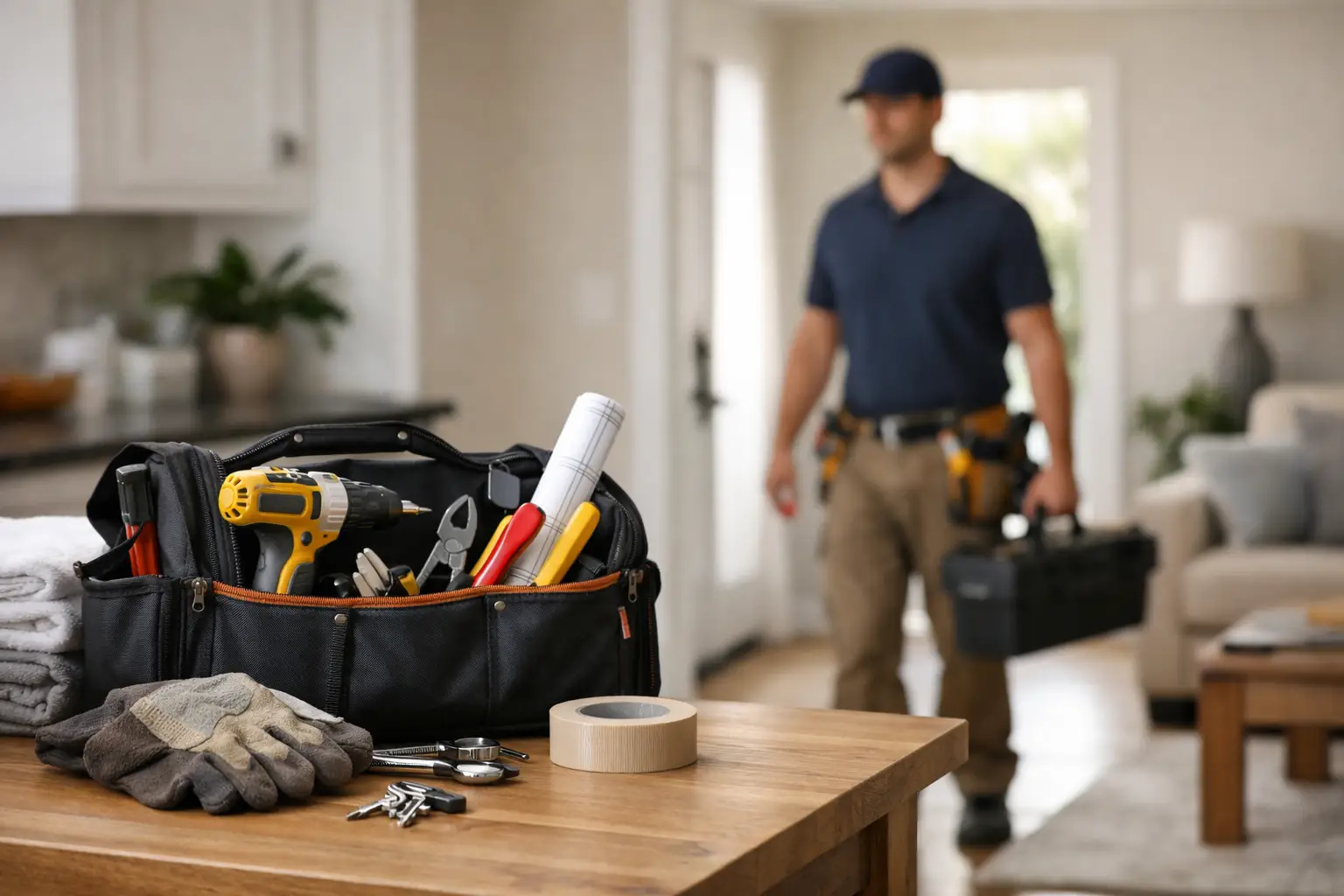
When a handyman shows up and has to spend the first 20 minutes moving boxes, hunting for an outlet, or figuring out what you actually want fixed, the clock is already working against you. If you’re wondering how to prepare for handyman service the right way, the goal is simple: remove delays, make the work area usable, and give clear direction so the job can start right away.
That matters even more when your schedule is tight. Whether you’re a homeowner trying to knock out a few repairs before work or a small business owner dealing with maintenance during operating hours, a little preparation can save time, reduce confusion, and help the visit stay productive.
Why preparation matters before a handyman arrives
A handyman visit usually looks simple from the outside. Fix the door, patch the wall, mount the shelf, replace the faucet. But small jobs often slow down because of access problems, missing information, or last-minute changes.
Most delays have nothing to do with skill. They come from practical issues like blocked work areas, pets underfoot, uncertainty about what needs approval, or parts that were expected but never purchased. If you know how to prepare for handyman appointments in advance, the work tends to move faster and with fewer surprises.
Preparation also helps with accuracy. A handyman can do better work when expectations are clear. If you want a curtain rod centered at a specific height or a TV mounted where glare is lowest, that should be discussed before drilling starts, not halfway through the install.
Start with a clear scope of work
Before the appointment, write down exactly what you want done. Keep it plain and specific. “Fix bathroom issues” is too broad. “Replace loose towel bar, recaulk around tub, and adjust vanity door so it closes properly” is much more useful.
If you have several tasks, group them by room or priority. That helps if time runs short or if one issue turns out to be bigger than expected. It also prevents the common problem of remembering three extra jobs once the handyman is already packing up.
Photos help when you’re booking the service, especially for damaged drywall, exterior repairs, or anything involving unusual hardware. A quick description with a few images often makes it easier to estimate time, tools, and materials before arrival.
Get the area ready for actual work
This is where most people lose time without realizing it. A handyman needs enough space to move, set down tools, use a ladder if needed, and work safely.
Clear furniture, rugs, storage bins, and decor out of the immediate area. You do not need to empty the whole room, but the work zone should be easy to access. If a ceiling fan is being replaced, the floor beneath it should be open. If cabinet hardware is being installed, the countertops should be mostly clear.
For repairs in garages, basements, and utility rooms, preparation matters even more. These spaces tend to collect clutter, and even a capable handyman cannot work efficiently if every step requires moving items around.
If the job creates dust, like drilling, sanding, or patching drywall, move or cover nearby electronics, artwork, and soft furniture. That is especially helpful in condos, offices, and smaller Vancouver-area spaces where work zones are tighter and dust travels fast.
Make access simple
If the handyman is expected at your home or business, plan for entry. That sounds obvious, but access issues are one of the easiest ways to waste an appointment window.
If someone else is letting them in, make sure that person knows the arrival time, scope of work, and where the problem areas are. For apartment and condo buildings, include buzzer instructions, parking details, elevator access, and any building rules that affect tools or noise.
For small business locations, decide who has authority to answer questions. If the site manager is unavailable and no one can approve placement, pricing changes, or material substitutions, work may stall.
Check materials before the visit
Not every handyman job requires customer-supplied materials, but some do. If you were asked to provide a replacement faucet, light fixture, door handle, shelf brackets, or paint, confirm that everything is on site before the appointment begins.
Open the packaging and make sure parts are actually there. Missing screws, wrong sizes, or damaged items are common. So are fixtures that do not match the existing setup. A vanity light may look right online but have a different mounting plate than the old one. A new doorknob may not fit the current bore hole.
If you’re unsure whether to buy materials yourself or have the handyman handle it, ask ahead of time. It depends on the job. If appearance matters, like with cabinet pulls or bathroom fixtures, many customers prefer to choose the finish themselves. If function matters more than style, it may be faster to leave sourcing to the professional.
Be clear about priorities and decisions
Some jobs are straightforward. Others involve choices that need to be made on site. Where exactly should the shelves go? Which way should the door swing stop be placed? Do you want the old caulk fully removed, even if that adds time?
Think through those decisions before the appointment if you can. If you know there are preference-based choices, be available to answer questions during the visit. A fast response keeps the job moving.
This matters even more if you booked several tasks in one appointment. In that case, rank them. Start with the repairs that affect safety, security, plumbing, or daily use. Cosmetic fixes can come after that.
Prepare your home, kids, and pets
A handyman visit is not a major renovation, but it still involves tools, hardware, and movement through the space. Keep pets secured away from the work zone. Friendly dogs can still create safety issues around ladders and power tools, and nervous pets may react badly to noise.
If young kids are home, set expectations early. Curiosity is normal, but work areas should stay clear. The same applies in office settings where staff may want to walk through active maintenance areas.
If noise could be a problem because of calls, meetings, naps, or shared walls, mention that up front. Some tasks can be sequenced differently to reduce disruption. Others simply need a realistic time window.
What to do on the day of the appointment
On the day itself, walk the handyman through the job in person if possible. Even if you already explained everything when booking, a two-minute walkthrough prevents mix-ups.
Show each item on the list, confirm priorities, and point out anything unusual, such as weak drywall, shutoff valve issues, or surfaces that scratch easily. If there are parts or materials set aside for the job, place them in one visible spot.
Then give the handyman room to work. Being available for questions is helpful. Hovering usually is not. The best setup is simple: easy access, clear instructions, quick decisions when needed.
Common mistakes that slow everything down
The biggest mistake is underexplaining the job. Customers sometimes assume a handyman will automatically know every preference, hidden issue, or building restriction. That rarely works well.
Another common problem is adding too many tasks after arrival. A few small extras may be manageable, but not always. Every new item affects time, materials, and scheduling. If you know you have a list, share it early.
The third issue is buying the wrong materials without checking compatibility. This is especially common with plumbing fixtures, blinds, mounting hardware, and replacement parts. If you are not sure, ask before purchasing.
Finally, do not wait until the visit starts to clear the area. That turns paid work time into setup time.
How to prepare for handyman service in condos and small businesses
Condos and commercial spaces need a little more coordination. For condo residents, verify visitor access, loading rules, and quiet-hour restrictions. Some buildings also require advance notice for repair work.
For retail, office, or service businesses, think about customer flow and staff interruption. If the repair affects a front desk, restroom, or entry door, schedule around your busiest hours when possible. Fast service still works better when the space is ready.
This is where a practical provider like QuickHand fits best. Busy people do not want a complicated process. They want the repair handled efficiently, with less back-and-forth and fewer avoidable delays.
A better result usually starts before the toolbox opens
If you prepare the space, define the job clearly, and have decisions ready, the handyman can focus on the work instead of the setup. That usually means a faster visit, fewer interruptions, and a better finished result. A little prep up front pays off where it matters most – in time saved and problems solved.