
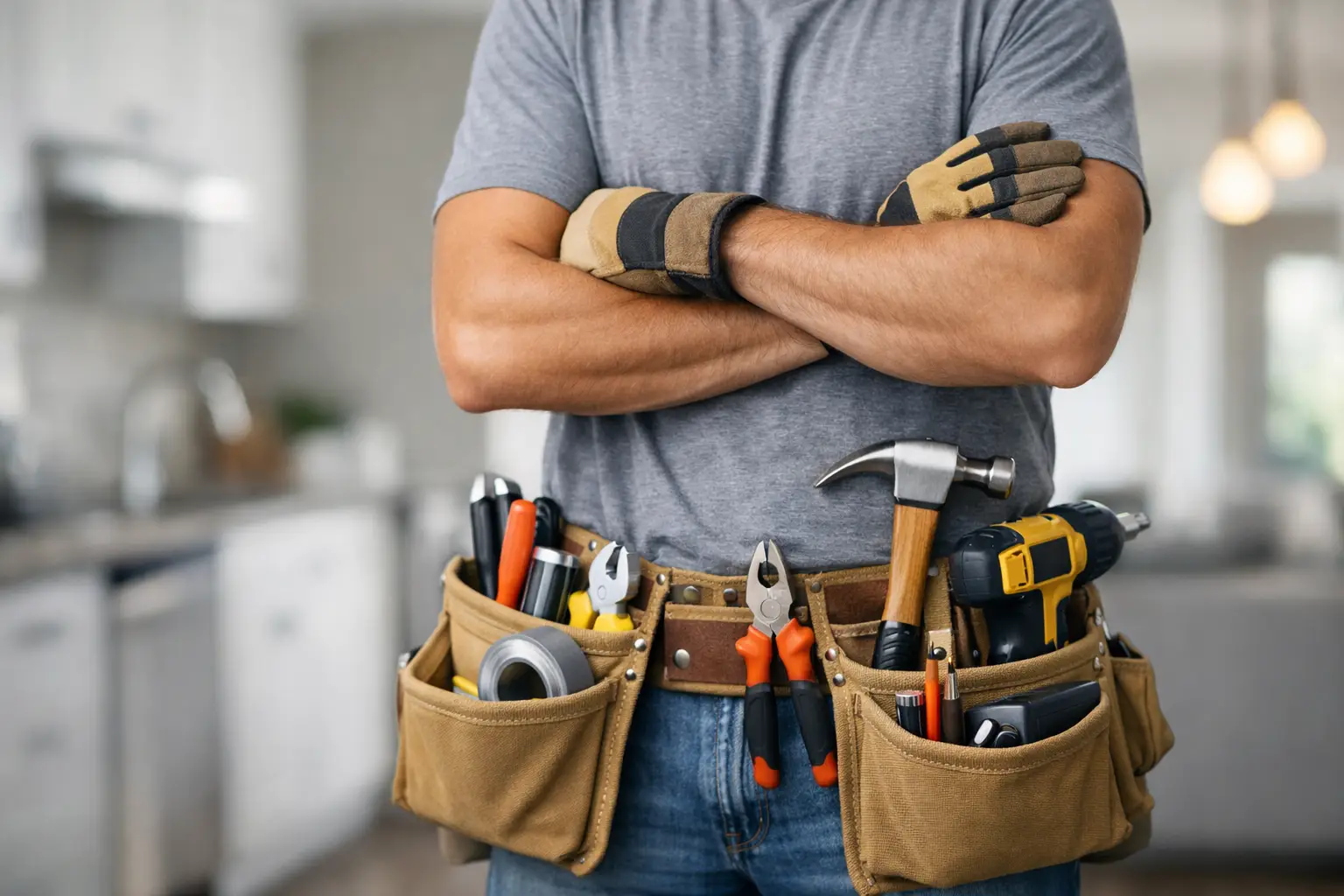
You do not need a contractor for every loose hinge, damaged baseboard, or wall patch. That is usually the first point people want clarified when they ask what does a handyman include. In most cases, a handyman covers small to mid-size repair, installation, and maintenance jobs that keep a home or business working without the time, cost, and scheduling involved in bringing in multiple trades.
That broad answer is useful, but only to a point. The real question is where the line sits between a practical fix and work that should go to a licensed specialist. If you are trying to save time, avoid repeat visits, and get the job done right the first time, that distinction matters.
What does a handyman include for most properties?
A handyman service usually includes general labor tasks that do not require a full renovation crew or a trade-specific contractor. Think of the jobs that pile up in a home, rental unit, office, or retail space – the kind that are too small for a major contractor but still need proper tools and experience.
That often includes drywall repair, minor painting touch-ups, door adjustments, trim repair, hardware replacement, furniture assembly, shelf installation, caulking, fixture swaps, and small maintenance fixes around kitchens, bathrooms, and common areas. Many customers use a handyman for a combination of tasks in one visit, which is often the most efficient approach.
The key idea is practical scope. A handyman is there to handle functional work quickly and cleanly, especially when the issue is straightforward but still needs skill. If your cabinet door will not close, your blinds need mounting, or your wall has damage from a previous anchor, those are typical handyman jobs.
Common handyman services people actually book
Most requests fall into a few categories, even if customers describe them differently.
Repairs around the home or office
This is probably the biggest bucket. It includes patching holes in drywall, fixing trim, tightening railings, repairing doors that stick, replacing worn weatherstripping, reattaching loose hardware, and handling minor wear-and-tear issues before they get worse.
For small business owners, it can also mean fixing shelving, touch-up repairs in customer-facing spaces, replacing damaged fixtures, or taking care of minor maintenance that affects daily operations. These are not glamorous jobs, but they are the ones that eat up time when nobody is available to do them.
Installation and mounting
A handyman often installs items that require measuring, drilling, leveling, anchoring, and clean finishing. That can include shelves, curtain rods, mirrors, wall-mounted TVs, artwork, whiteboards, coat hooks, baby gates, closet organizers, and bathroom accessories.
This type of work sounds simple until the wall material is wrong, the studs do not line up, or the item needs to support real weight. A reliable installation is less about hanging the item and more about making sure it stays put.
Minor carpentry and finish work
Small carpentry jobs fit well within handyman scope. That can include baseboard replacement, door trimming, simple framing for utility needs, fence board replacement, gate adjustment, cabinet hardware changes, and small wood repairs.
These are useful jobs for anyone trying to improve function without starting a full remodel. If the work is localized and does not involve structural changes, it is often a good fit.
Paint touch-ups and surface fixes
A handyman is not always the right choice for a whole-house repaint, but touch-ups and small paint jobs are common. This might mean covering repaired drywall, repainting trim, refreshing a scuffed wall, or handling one room that needs a fast turnaround.
Surface prep matters here. A quick coat of paint over damage rarely holds up. Good handyman work usually includes basic prep so the repair looks intentional, not temporary.
Maintenance tasks that prevent bigger problems
A lot of handyman work is preventive. Re-caulking around tubs and sinks, replacing worn seals, adjusting doors, securing loose fixtures, clearing up small exterior issues, and dealing with early signs of damage can stop a minor problem from becoming an expensive one.
This is where speed has real value. If you wait too long on small repairs, they stop being handyman jobs and start turning into restoration work.
What a handyman usually does not include
This is where expectations need to be realistic. A handyman can do a lot, but not everything.
Major electrical, plumbing, gas, roofing, HVAC, structural changes, and large-scale renovation work are usually outside normal handyman scope. If a task involves permits, code-heavy systems, or safety risks that require a licensed trade, it should go to the right specialist.
For example, swapping a light fixture may be fine in some cases, while rewiring a panel is not. Replacing a faucet may be manageable, while moving plumbing lines behind a wall is a different category entirely. Repairing a damaged fence board is one thing. Rebuilding a large structural deck is another.
A dependable service should be clear about that line instead of overpromising. If someone says yes to every job without asking questions, that is usually not a good sign.
The real difference between a handyman and a contractor
The simplest way to think about it is scale and specialization.
A handyman is best for practical, smaller-scope jobs that require skill but not a full project team. A contractor is typically better for remodels, additions, major system work, and projects that involve permits, inspections, subcontractors, or detailed construction planning.
If your to-do list includes eight small fixes across two rooms, a handyman is often the fastest solution. If your bathroom needs a full gut renovation, that is contractor territory.
For busy homeowners and small business operators, this distinction saves time. You do not want to call three separate trades for tasks that can be handled in one visit. But you also do not want to force a handyman project into a job that needs licensed specialists.
How to tell if your job is a good handyman fit
A job is usually a good fit when it checks a few basic boxes. It is clearly defined, limited in scope, does not require major engineering or permits, and can reasonably be completed with standard tools and general repair experience.
If you can describe the issue in plain language, that usually helps. Examples include “patch three wall holes,” “install two floating shelves,” “fix a bedroom door that will not latch,” or “replace damaged caulking in the bathroom.” Those are direct service requests with a clear outcome.
It gets less clear when the source of the problem is unknown. A stained ceiling might be a simple patch after a resolved leak, or it might signal an active issue behind the drywall. A loose tile could be cosmetic, or it could point to subfloor movement. In those cases, the first step is diagnosis, not repair.
Why bundled handyman work saves the most time
Many people think in single tasks, but handyman service often works best as a grouped visit. If you already need a mirror installed, a wall patched, and a door adjusted, bundling those jobs usually makes more sense than spacing them out.
You reduce scheduling hassle, get more value from the appointment, and clear a backlog that would otherwise linger for months. This is especially useful for rental turnovers, office maintenance, and homeowners preparing for guests, staging, or seasonal upkeep.
That practical efficiency is the reason services like QuickHand appeal to people with packed schedules. The value is not just the repair itself. It is removing a cluster of unfinished tasks in one shot.
Questions worth asking before you book
Before hiring anyone, ask what specific tasks they handle, whether materials are included, how they price multi-item visits, and what falls outside their scope. It also helps to share photos in advance when possible. That makes quoting faster and reduces surprises on site.
You should also ask how they handle jobs that turn out to be larger than expected. A professional answer is usually straightforward: if the work crosses into licensed trade territory or reveals hidden damage, they will tell you and recommend the next step.
That kind of clarity matters more than a broad promise. Fast service is useful only when it is also honest.
What does a handyman include when speed matters?
When time is tight, a handyman includes the jobs that restore function fast – the repairs, installations, and maintenance items that are slowing down your home or workspace but do not need a major project plan.
That can mean getting a rental unit ready between tenants, fixing visible wear before visitors arrive, handling office issues that affect staff, or finally taking care of the long list you have been postponing because each task feels too small to book on its own.
The best use of a handyman is not as a catch-all for every possible issue. It is as a practical solution for the work that needs to get done now, done properly, and done without turning a simple task into a drawn-out process.
If you are unsure whether your job fits, start with the clearest version of the problem. A good handyman service will tell you quickly whether it belongs on the schedule or should go to a specialist. That answer alone can save you a lot of wasted time.