
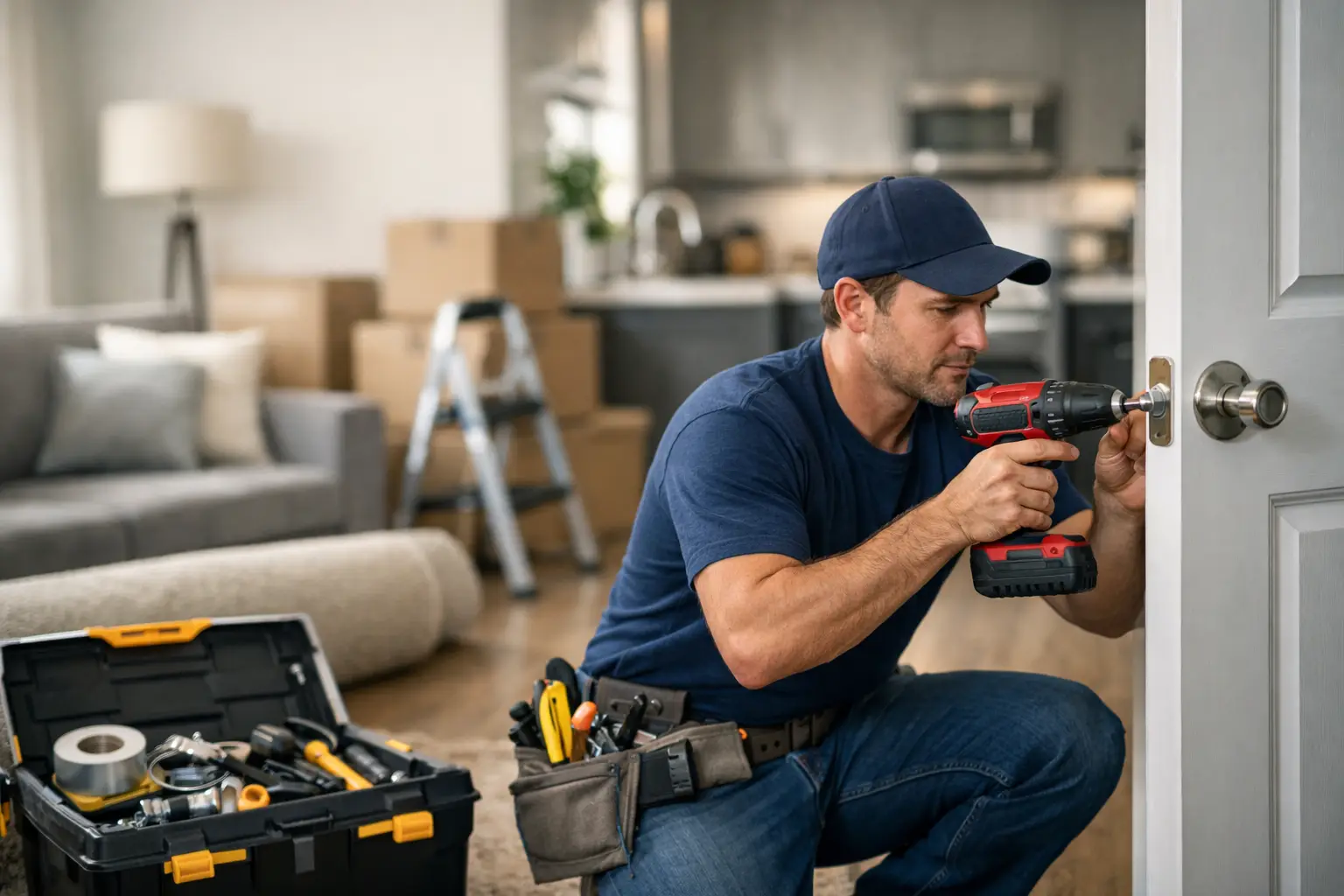
The first night in a new apartment usually tells you everything the showing did not. A curtain rod is loose, the TV has nowhere to go, the shelves you planned for the entryway are still in boxes, and the door closer slams harder than expected. That is where an apartment move in handyman becomes useful – not for one big renovation, but for the fast, practical fixes that make a new place work.
Move-in week is less about design and more about function. You want the apartment safe, organized, and comfortable as quickly as possible. If you try to handle every install and adjustment yourself after a full move, small tasks stack up fast. A handyman helps reduce that backlog so the apartment feels settled sooner.
What an apartment move in handyman actually helps with
Most move-in jobs are simple on paper and annoying in real life. They take tools you may not have, more time than expected, or a second pair of hands. The value is not just skill. It is speed, clean execution, and getting through a punch list in one visit.
An apartment move in handyman typically handles wall mounting, furniture assembly, curtain and blind installation, minor repairs, hanging mirrors and art, adjusting doors, securing loose hardware, and small setup tasks that make the space usable. In a rental, that often matters more than major upgrades because you are working within lease rules and trying to avoid damage.
This is especially useful for busy renters and professionals who do not want to spend a weekend measuring brackets, patching mistakes, and making extra trips for anchors they guessed wrong on. The job is usually not complicated. It is just time-sensitive.
Start with the fixes that affect daily life
The smartest move-in plan is not to do everything at once. Start with the tasks that affect safety, privacy, storage, and your daily routine.
Privacy and light control
Window coverings move to the top of the list fast. If blinds are damaged, missing, or not suited to the room, daily life gets annoying immediately. Bedrooms and street-facing windows usually come first. Getting curtains or blinds installed properly saves time and avoids the crooked, too-low, or poorly anchored result that happens when you rush it.
Wall-mounted essentials
TV mounting, entry hooks, coat racks, bathroom hardware, and shelving often matter more than decorative wall art in the first week. These are the items that clear floor space and make the apartment easier to live in. In smaller apartments, vertical storage is not a nice extra. It is how you stay organized.
Furniture that cannot stay half-built
Beds, desks, dining tables, and storage units should be assembled early because they affect sleep, work, and basic routines. Many flat-pack pieces look simple until a panel goes in backward or hardware gets over-tightened. A handyman can usually move through these jobs much faster and with fewer errors.
Minor repairs you notice after move-in
A cabinet door that will not close, a loose towel bar, a sticking closet door, or a wobbly light fixture may not seem urgent during the walkthrough. Once you start living there, they become daily friction. These are good early fixes because they are small but high impact.
What can wait until after the apartment is functioning
Not every task belongs on day one. Decorative installs, picture walls, specialty shelving for long-term layout plans, and nonessential organization systems can usually wait until you know how you actually use the space.
This matters because many renters make the same mistake: they install based on the imagined version of apartment living before they have settled into the real one. A shelf that seemed perfect for one wall may block furniture flow. A mounted mirror may make less sense after you change the room setup. It is better to handle the functional tasks first, then finish the cosmetic ones with a clearer plan.
Rental rules change the job
An apartment move in handyman needs to work with the limits of a rental, not against them. That means knowing when an install is straightforward and when landlord approval matters first.
Some buildings are relaxed about wall mounting and minor hardware changes. Others restrict drilling, specific wall types, or modifications to blinds, doors, and fixtures. Concrete walls, metal studs, tile, and older plaster can also change how a job should be done. A fast install is only useful if it is secure and does not create damage that becomes your problem later.
The practical approach is simple: confirm what your lease allows, then prioritize reversible or low-risk improvements where possible. If a task needs approval, get that before scheduling it. That avoids wasted time and rework.
Why move-in jobs take longer than people expect
Most people do not underestimate the task itself. They underestimate the chain reaction around it.
Mounting a TV means finding the right wall, checking stud placement or wall material, confirming viewing height, managing cords, and making sure the mount fits both the screen and the surface. Hanging curtains means measuring width and drop, choosing bracket placement, and accounting for trim and obstructions. Even assembling one piece of furniture can turn into sorting hardware, correcting factory labeling mistakes, and adjusting uneven feet on apartment floors.
That is why batching jobs makes sense. Instead of treating each item as a separate errand, a handyman can complete multiple move-in tasks in one appointment. For busy households, that is usually the biggest time saver.
How to prepare for a move-in handyman visit
A little prep makes the appointment faster and more productive. You do not need a detailed project plan, but you do need a clear list.
Walk the apartment once with your phone and note every task room by room. Group the must-do items first, then the nice-to-have items. If you already bought hardware, mounts, curtain rods, or shelves, keep them together and unopened if possible. If you are unsure whether what you bought will work, that is worth flagging ahead of time.
Photos help too, especially if the job includes unusual walls, old hardware, or tight spaces. In apartments across Vancouver and the surrounding area, building styles vary a lot, and that affects what is realistic in one visit. The more clearly the setup is understood in advance, the faster the work goes on site.
When it makes sense to hire help instead of doing it yourself
If you have one frame to hang, doing it yourself is reasonable. If you have a bed to assemble, curtains to install, a TV to mount, a shelf for the entry, and a few small repairs from move-in day, the value of help becomes obvious.
Hiring an apartment move in handyman makes the most sense when time is tight, the task list is growing, or the work needs to be done cleanly the first time. It also makes sense when the apartment layout or wall material creates risk. Drywall patching from a bad anchor job is frustrating. Damaging tile or drilling where you should not is more expensive.
For renters, there is another factor: energy. Move-in week already includes deliveries, utility setup, address changes, cleaning, and unpacking. Offloading practical setup work is often less about ability and more about reducing stress and getting your home functional faster.
A good move-in setup is about momentum
The best early apartment improvements are the ones that remove friction right away. You want the bedroom usable, the bathroom organized, the living room set up, and the entry under control. Once those basics are handled, the rest of the apartment becomes easier to finish at your own pace.
That is where a service-focused company like QuickHand fits well. The goal is not to turn move-in into a major project. It is to knock out the practical work quickly, do it right, and give you a place that feels ready to live in.
If you are planning a move, think less about every possible upgrade and more about the first ten tasks that will make the apartment work. Getting those done early changes the whole experience of coming home.